Here's why:
* Transparent materials allow light to pass through completely, with little to no scattering. You can see clearly through them. Examples: glass, water.
* Opaque materials block light completely, preventing it from passing through. You cannot see through them. Examples: wood, metal.
* Translucent materials allow some light to pass through, but it's scattered in different directions. You can see light through them, but you can't see clearly through them. Examples: frosted glass, tissue paper, wax paper.
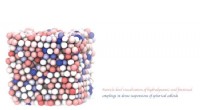
The scattering of light in translucent materials is caused by the irregular arrangement of molecules or particles within the material. This irregular structure causes the light waves to change direction as they pass through, resulting in a diffused and scattered appearance.