Here's a breakdown:
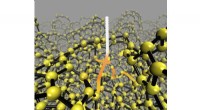
* What happens: When you rub two surfaces, the microscopic bumps and irregularities on each surface get caught on each other.
* The force: This "catching" creates a resistance to movement, which we call friction.
* Types of friction:
* Static friction: This is the force that prevents an object from moving when it's at rest.
* Kinetic friction: This is the force that opposes motion when an object is already moving.
Examples:
* Rubbing your hands together: You feel heat because friction converts some of the energy of motion into heat.
* Walking: Friction between your shoes and the ground allows you to push off and move forward.
* Braking a car: Friction between the brake pads and the brake rotors slows the car down.
So, while you don't technically "produce" a new force when you rub things together, you create a situation where the force of friction becomes more prominent and noticeable.