1. Water Displacement Method (Archimedes' Principle)
* What you need: A graduated cylinder or beaker, water, and the irregular solid.
* How it works:
1. Fill the graduated cylinder with a known volume of water.
2. Carefully drop the irregular solid into the water.
3. Observe the new water level. The difference between the initial and final water levels represents the volume of the irregular solid.
2. Using a 3D Scanner:
* What you need: A 3D scanner.
* How it works:
1. Scan the irregular solid using a 3D scanner.
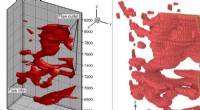
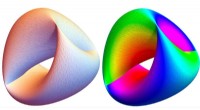
2. The scanner creates a digital model of the solid.
3. Use software to analyze the digital model and calculate the volume.
3. Using a Computer Program (For Complex Shapes):
* What you need: A computer with appropriate software.
* How it works:
1. Obtain accurate measurements of the irregular solid, such as its length, width, and height at various points.
2. Use a computer program designed for volume calculations to input the measurements and generate the volume.
Choosing the Right Method:
* Water displacement: Best for solids that are relatively small and sink in water.
* 3D Scanner: Excellent for complex shapes and larger objects.
* Computer program: Suitable for complicated shapes, but requires accurate measurements.
Important Considerations:
* Accuracy: The accuracy of the volume measurement depends on the precision of the method and the accuracy of your measurements.
* Solid properties: The material of the irregular solid might affect the chosen method (e.g., a porous solid might absorb water, making the water displacement method less reliable).
Let me know if you have any other questions.