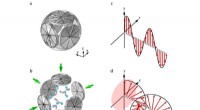
* Refractive Index: The speed of light in a medium is determined by its refractive index. The refractive index is a measure of how much the speed of light is reduced when it passes through that medium. Water has a higher refractive index than air, meaning light slows down more in water.
* Interaction with Molecules: As light travels through a medium, it interacts with the molecules of that medium. In water, the light interacts more frequently with the water molecules than it does with the molecules in air. These interactions cause the light to slow down.
Here's an analogy: Imagine you're walking through a crowded room. You move slower because you have to navigate around people. Similarly, light travels slower in water because it has to "navigate around" the water molecules.
Key Points:
* Speed of Light in Vacuum: The speed of light in a vacuum is the fastest possible speed, approximately 299,792,458 meters per second (m/s). This is often denoted as "c".
* Speed of Light in Air: The speed of light in air is slightly slower than in a vacuum, but very close (approximately 99.97% of the speed in vacuum).
* Speed of Light in Water: The speed of light in water is significantly slower than in air, approximately 75% of the speed in a vacuum.
This difference in speed is why you see things like a straw appearing to bend when submerged in water. The light from the straw changes direction as it transitions from the air to the water, creating the illusion of bending.