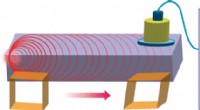
* Light as a Wave: Light travels as an electromagnetic wave, meaning it consists of oscillating electric and magnetic fields.
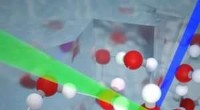
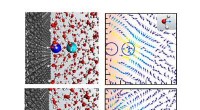
* Interaction with Matter: When light enters a medium like water, it interacts with the water molecules. The electric and magnetic fields of the light wave cause the electrons in the water molecules to oscillate.
* Re-emission of Light: These oscillating electrons then re-emit light waves, which interfere with the original light wave.
* Slower Speed: The interference between the original light wave and the re-emitted waves causes the overall wave to slow down. This slowing down effect is what we perceive as light traveling slower in water.
The denser the medium, the slower light travels:
* Water is denser than air: Water molecules are packed more closely together than air molecules. This means there are more interactions between light waves and the molecules, causing more interference and a greater slowdown.
* Index of Refraction: This slowdown effect is quantified by the *index of refraction*, which is a measure of how much light slows down in a given medium. Water has a higher index of refraction than air.
Key Points:
* Light doesn't actually slow down in the traditional sense. It's the interference with the medium's molecules that makes it *appear* to slow down.
* The frequency of light remains the same when it enters a different medium. It's the wavelength that changes, leading to the apparent slowing of light speed.
Let me know if you would like more details on any of these concepts!