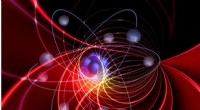
* Magnetic Field: A magnet creates an invisible area around it called a magnetic field. This field is made up of magnetic lines of force.
* Changing Magnetic Flux: When you move the magnet inside the coil, you change the amount of magnetic field lines passing through the coil. This change in magnetic flux is what triggers the current.
* Electromagnetic Induction: Faraday's Law of Induction states that the magnitude of the induced electromotive force (EMF) is proportional to the rate of change of magnetic flux.
* Current Flow: This EMF creates a potential difference across the ends of the coil, driving electrons to flow, thus generating an electric current.
Key Points:
* Direction of Current: The direction of the induced current depends on the direction of the magnet's movement and the orientation of the coil. You can use Lenz's Law to determine this direction: the induced current creates a magnetic field that opposes the change in the original magnetic flux.
* Strength of Current: The strength of the induced current depends on the:
* Strength of the magnet: A stronger magnet produces a stronger magnetic field, resulting in a larger induced current.
* Speed of the movement: Faster movement leads to a more rapid change in magnetic flux, inducing a stronger current.
* Number of turns in the coil: More turns in the coil mean more wire is exposed to the changing magnetic field, increasing the induced current.
Applications:
This principle is used in many technologies, including:
* Generators: Generators use electromagnetic induction to convert mechanical energy into electrical energy.
* Electric Motors: Motors use electromagnetic induction to convert electrical energy into mechanical energy.
* Transformers: Transformers use electromagnetic induction to change the voltage of alternating current.
* Induction Cooktops: Induction cooktops use electromagnetic induction to heat cookware.
Let me know if you'd like to explore any of these applications in more detail!