1. The Power Source:
* Batteries: Most flashlights use batteries to provide the energy needed to create light.
* Other Sources: Some flashlights use solar power, hand cranking, or other methods to generate electricity.
2. The Circuit:
* Switch: Flipping the switch completes an electrical circuit.
* Current Flow: Electricity flows from the batteries through wires to the light source.
3. The Light Source (Bulb):
* Incandescent Bulbs: These contain a thin filament that heats up when electricity passes through it. The heat makes the filament glow, producing light.
* LED Bulbs: Light Emitting Diodes (LEDs) are more efficient. Electricity causes electrons in the LED material to jump energy levels and release light.
4. Light Emission:
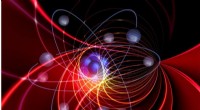
* Photons: The light source produces photons, which are tiny packets of energy that travel as electromagnetic waves.
* Directionality: The design of the flashlight's reflector focuses the photons into a beam of light.
5. Traveling through the Air:
* Electromagnetic Waves: Light travels as an electromagnetic wave, meaning it has both electric and magnetic components.
* Speed of Light: Light travels incredibly fast, at approximately 299,792,458 meters per second in a vacuum.
6. Reaching Your Eyes:
* Reflection: When the light beam strikes an object, some of the light is reflected back towards your eyes. This is how you see the object.
* Perception: Your eyes detect the light photons, and your brain interprets them as the image you see.
Key Points:
* Electricity is the energy source that powers the light bulb.
* The bulb converts electrical energy into light energy.
* Light travels as a wave, but it also behaves like a particle (photon).
* The reflector helps focus the light into a beam.