1. Liquid-Fueled Rockets:
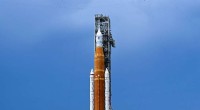
* Oxidizer Tank: These rockets carry a separate tank filled with a liquid oxidizer, typically liquid oxygen (LOX), hydrogen peroxide, or nitric acid. This oxidizer is mixed with the fuel in the combustion chamber to produce thrust.
2. Solid-Fueled Rockets:
* Solid Propellant: Solid-fueled rockets have the fuel and oxidizer pre-mixed and solidified in a block called the propellant grain. The oxidizer is usually a compound like ammonium perchlorate or potassium perchlorate. When ignited, the propellant burns to generate thrust.
3. Hybrid Rockets:
* Solid Fuel and Liquid Oxidizer: Hybrid rockets use a solid fuel, such as rubber or plastic, and a liquid oxidizer, such as liquid oxygen or nitrous oxide. This combination provides a balance between the simplicity of solid propellants and the controllability of liquid propellants.
In summary:
* Liquid-fueled rockets: Oxygen comes from a separate oxidizer tank.
* Solid-fueled rockets: Oxygen is contained within the solid propellant.
* Hybrid rockets: Oxygen comes from a liquid oxidizer tank.
It's important to note that not all rockets use oxygen as the oxidizer. Some rockets, especially those designed for space travel, might use other oxidizers depending on the specific mission requirements.