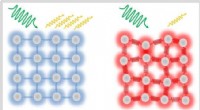
1. Expansion: Glass, like most materials, expands when heated. This means its volume increases. The hotter the glass, the more it expands.
2. Softening and Deformation: As the temperature rises, glass transitions from a rigid solid to a more pliable state.
* Annealing point: This is the temperature at which glass becomes soft enough to relieve internal stresses.
* Softening point: The temperature at which glass begins to deform under its own weight.
* Working point: This is the temperature at which glass becomes soft enough to be easily shaped.
3. Melting: At a sufficiently high temperature, glass will melt and become liquid. The melting point of glass varies depending on its composition.
4. Color Change: Depending on the type of glass, heating can cause changes in its color. Some glass types contain impurities that cause them to change color when heated. For example, heating ordinary glass often results in a slight yellowish hue.
5. Thermal Stress: Rapid changes in temperature can create thermal stress in glass, which can cause it to crack or shatter. This is because different parts of the glass will expand or contract at different rates.
6. Chemical Reactions: Depending on the temperature and atmosphere, heating glass can lead to chemical reactions, such as oxidation or reduction.
Examples:
* Glassblowing: Glassblowers heat glass to its working point to shape it into various objects.
* Glassmaking: Glass is melted and then poured into molds to create various products.
* Annealing: Heating glass slowly and then cooling it slowly helps to relieve internal stresses and prevent cracking.
Important Note: The exact behavior of a glass ball when heated depends on the type of glass, the temperature, and the heating rate.