It's important to note that in science, the term "theory" doesn't mean "guess" or "unproven idea." A scientific theory is a well-substantiated explanation of some aspect of the natural world, based on a body of facts that have been repeatedly confirmed through observation and experimentation.
Here's why it's not just a fact:
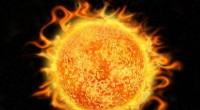
* Facts are observations: They describe what is, but don't explain why. For example, "The sun rises in the east" is a fact.
* Theories explain facts: They provide a framework for understanding why things happen. For example, "The Earth rotates on its axis, causing the sun to appear to rise in the east" is a theory that explains the fact of the sun rising.
So, while a scientific theory is based on facts, it's more than just a collection of facts. It's a powerful explanation that has been rigorously tested and supported by evidence.