Here's what that means:
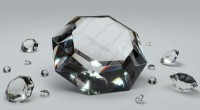
* Form or Appearance: The substance might change shape, size, texture, or state of matter (solid, liquid, gas).
* Chemical Composition: The molecules that make up the substance remain the same. No new substances are formed.
Examples of physical changes:
* Melting ice: Water changes from a solid to a liquid, but it's still H₂O.
* Cutting paper: The paper is divided into smaller pieces, but it's still the same type of paper.
* Boiling water: Water changes from a liquid to a gas, but it's still H₂O.
* Mixing salt and pepper: The salt and pepper are physically mixed, but they remain the same substances.
Key takeaway: If you can reverse the change by simply using physical means, it's likely a physical change.