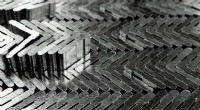
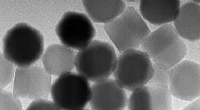
* Structure: Solids have a fixed, rigid structure with molecules closely packed together in a highly ordered arrangement. This structure provides the solid with its shape and resistance to deformation.
* Intermolecular Forces: The strong intermolecular forces (e.g., ionic, covalent, metallic bonds) between molecules in a solid hold them in place, preventing them from easily moving past each other.
* Response to Stress: When a force is applied to a solid, it can deform slightly. This is called elastic deformation. However, if the force exceeds the solid's yield strength, it will undergo plastic deformation, meaning it will permanently change shape. This is different from liquids, which flow freely under any applied force.
Examples of how solids can appear to flow:
* Glaciers: Glaciers are made of ice, which is a solid. Over incredibly long timescales, the immense pressure of the ice and gravity causes the ice to slowly flow downhill. This is a special case called creep, where the solid material moves very slowly under extreme pressure.
* Sand: Sand is made of tiny solid particles. While individual sand grains are solids, the bulk behavior of sand can appear fluid-like when it's poured or moved quickly. This is because the grains are loosely packed and can slide past each other easily.
* Metals under extreme conditions: Under extreme conditions, such as high temperatures or extreme pressures, some metals can exhibit properties that mimic fluidity.
Key takeaway: Solids do not flow in the same way as liquids or gases because their molecules are held together by strong forces in a fixed, rigid structure. While some solids may appear to flow under specific conditions, this is not the same as the true fluidity of liquids or gases.