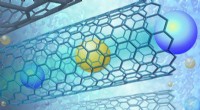
* Matter: This includes atoms, molecules, ions, and even larger particles.
* Examples: Diffusion of gases, movement of nutrients across cell membranes, transport of blood through the circulatory system.
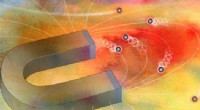
* Energy: Heat, light, and sound can also be transported.
* Examples: Conduction of heat through a metal rod, radiation of light from the sun, transmission of sound waves through air.
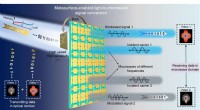
* Information: This can refer to signals within the body or the transmission of data in communication systems.
* Examples: Nerve impulses, radio waves carrying a signal, electrical signals in a computer.
Here are some key types of transport in science:
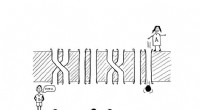
* Passive transport: This type of transport does not require energy, and movement occurs naturally down a concentration gradient (from high concentration to low concentration). Examples include diffusion, osmosis, and filtration.
* Active transport: This type of transport requires energy, usually in the form of ATP, to move substances against their concentration gradient (from low concentration to high concentration). Examples include the sodium-potassium pump and endocytosis.
* Bulk transport: This involves the movement of large quantities of substances across membranes, often enclosed within vesicles. Examples include exocytosis and endocytosis.
The specific meaning of "transport" will depend on the context. When you encounter this term in a scientific text, pay attention to the surrounding information to understand the specific type of movement being discussed.