1. Friction:
* Static Friction: This force prevents an object from moving when a force is applied to it. Think about pushing a heavy box – you have to overcome static friction before it starts moving.
* Kinetic Friction: This force acts on a moving object, opposing its motion. Think about sliding a book across a table – kinetic friction is what slows it down.
* Rolling Friction: This force acts on objects rolling across a surface. It's generally less than sliding friction, which is why wheeled vehicles are more efficient.
2. Drag:
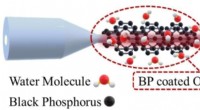
* Fluid Friction: This force acts on objects moving through fluids (liquids or gases). The thicker the fluid, the greater the drag.
* Air Resistance: This is a specific type of fluid friction that acts on objects moving through air. It increases with the speed and surface area of the object.
* Viscosity: This refers to the internal friction within a fluid, which affects drag. Higher viscosity leads to more drag.
Other forces that can oppose motion:
* Gravity: While not always opposing motion directly, gravity can act as a resistive force when an object is moving upwards or against a slope.
* Elastic Forces: These forces are caused by the deformation of elastic objects, such as springs or rubber bands. They can oppose motion by resisting stretching or compression.
* Magnetic Forces: These forces can act to oppose the motion of magnetic materials, such as in a magnetic braking system.
It's important to remember that these are just a few examples, and there are many other forces that can oppose motion depending on the specific situation.