Here's why:
* Wattage is determined by the resistor's ability to dissipate heat. This depends on the material, construction, and design of the resistor, not just its size.
* Resistors of the same size can have different wattage ratings. A larger resistor might be designed for higher power dissipation, while a smaller one might be made for lower power applications.
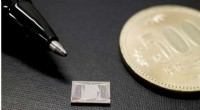
* The physical size can be misleading. Some resistors are designed to be physically small for specific applications, but they can still handle significant wattage due to their internal construction.
How to Determine Resistor Wattage:
1. Check the resistor's markings: Most resistors have a color code or a printed wattage value on their body.
2. Refer to the resistor's datasheet: The manufacturer's datasheet provides detailed specifications, including the wattage rating.
3. Use a multimeter with a wattage measurement function: Some advanced multimeters can directly measure the power dissipation of a resistor.
Always err on the side of caution and choose a resistor with a higher wattage rating than you think you'll need. This will ensure the resistor can handle the power it will be dissipating without overheating and potentially failing.