Here are some examples of how "finite" is used in science:
* Finite resources: The Earth has a finite amount of natural resources, like oil and water. This means we need to use these resources wisely and sustainably.
* Finite lifespan: All living organisms have a finite lifespan. This means they will eventually die.
* Finite speed of light: The speed of light is a finite value, meaning it has a maximum limit.
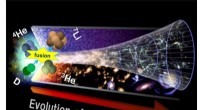
* Finite universe: While we can't definitively say whether the universe is finite or infinite, some cosmological models suggest that it may have a finite size.
Essentially, "finite" in science implies that something can be measured, counted, or contained. It helps us understand the limitations of our universe and the resources we have available.