* Reduced friction: Dry surfaces have a higher coefficient of friction. This means there's a greater resistance to movement between the surface and your shoes. Water acts as a lubricant, reducing the friction between your shoes and the floor.
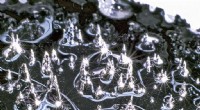
* Water film: When a surface is wet, a thin film of water forms between your shoes and the floor. This film reduces the contact area between the two surfaces, further decreasing friction.
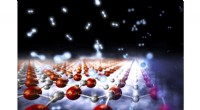
* Surface tension: Water molecules have a strong attraction to each other (cohesion). This creates surface tension, which can make it difficult for your shoes to grip the wet surface.
In simple terms: Imagine trying to walk on a sheet of ice. The ice is slippery because there's a very thin layer of water between your shoes and the ice, which significantly reduces friction. Wet floors are similar, just not as slippery.