The Role of Temperature and Energy:
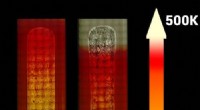
* Temperature and Energy: Temperature is a measure of the average kinetic energy of particles. The hotter something is, the faster its particles are moving on average.
* Kinetic Energy and Motion: The more kinetic energy a particle has, the faster it moves.
How Size Matters (in Some Cases):
* Collisions and Friction: Smaller particles experience more frequent collisions with surrounding particles (air molecules, for example). This leads to more friction and can slow them down.
* Surface Area to Volume Ratio: Smaller particles have a larger surface area to volume ratio. This means they are more susceptible to forces like air resistance or friction.
* Brownian Motion: Small particles suspended in a fluid can exhibit random, erratic motion known as Brownian motion. This is caused by collisions with surrounding fluid molecules and can be more pronounced in smaller particles due to their higher surface area to volume ratio.
Examples:
* Dust Particles: Smaller dust particles can be carried higher in the air because they are more easily suspended by air currents.
* Sedimentation: Larger particles in water (like sand) will sink faster than smaller particles (like clay) because they experience less friction and have more inertia.
Important Note:
While size can influence movement in some cases, it's not the primary factor. Temperature and the nature of the forces acting on the particles are the key drivers of their speed.
Let me know if you want to explore any specific examples in more detail!