Here are some examples:
* Neodymium magnets: Have a Curie temperature of around 310°C (590°F).
* Samarium cobalt magnets: Have a Curie temperature of around 750°C (1382°F).
* Ferrite magnets: Have a Curie temperature of around 450°C (842°F).
Important Note: It's important to understand that the Curie temperature is the point where the magnet *permanently* loses its magnetism. It doesn't mean the magnet completely disappears. The material is still there, just no longer magnetic.
Here are some additional points to consider:
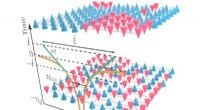
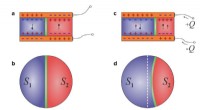
* Heating above the Curie temperature: When a magnet is heated above its Curie temperature, the magnetic domains within the material become randomly oriented. This random orientation cancels out the magnetic field, resulting in a demagnetized state.
* Cooling below the Curie temperature: If the magnet is cooled back down below the Curie temperature, it will not automatically regain its magnetism. The domains will remain randomly oriented, and the magnet will stay demagnetized.
* Magnetic field strength: The strength of the magnetic field applied to a magnet can also influence its magnetization, even below the Curie temperature.
If you need information about a specific type of magnet, it's best to refer to the manufacturer's datasheet or a technical resource on magnetism.