Changes that can be reversed by physical means:
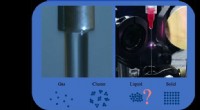
* Changes in state: Melting, freezing, boiling, condensation, sublimation, and deposition all involve changing the state of matter (solid, liquid, gas) but not the chemical composition. These changes can be reversed by simply altering the temperature or pressure.
* Changes in shape: Cutting, bending, crushing, or stretching a material changes its shape but not its chemical composition. These changes can often be reversed by applying force in the opposite direction.
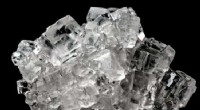
* Dissolving: When you dissolve sugar in water, the sugar molecules disperse throughout the water but don't change chemically. You can reverse this by evaporating the water, leaving the sugar behind.
* Mixing: Mixing sand and water creates a heterogeneous mixture, but neither component changes chemically. You can separate the mixture by decanting (pouring off the water) or filtering.
* Changes in size: Crushing a rock into smaller pieces changes its size but not its chemical composition. You can't "uncrush" it, but you can potentially re-aggregate the smaller pieces.
Changes that are NOT easily reversed by physical means:
* Chemical changes: Burning wood, rusting metal, or baking bread involve chemical reactions that create new substances. These changes are generally not reversible by simple physical means.
It's important to remember that:
* Some physical changes might be very difficult or impossible to reverse in practice, even though they are theoretically reversible. For example, while you can technically unbend a bent piece of metal, it might require significant force and could permanently alter its properties.
* The term "physical change" is a bit of a simplification. Some physical changes might involve subtle chemical changes that are not readily apparent.
Let me know if you'd like to explore specific examples or want to delve deeper into any of these points!