1. Reduce Power Dissipation:
* Use a resistor with a higher power rating: This allows for more heat dissipation without significant temperature rise.
* Lower the current: Reducing the current flowing through the resistor directly lowers power dissipation and heat generation.
* Choose a resistor with a low resistance value: Lower resistance leads to less power dissipation for the same current.
* Use a more efficient circuit design: Optimize the circuit to minimize unnecessary power dissipation and heat generation.
2. Enhance Heat Dissipation:
* Use a heat sink: A heat sink is a metal object designed to conduct heat away from the resistor and dissipate it into the surrounding air.
* Increase airflow: Placing the resistor in an area with good airflow will help dissipate heat more effectively.
* Use a fan: A fan can provide forced airflow, further enhancing heat dissipation.
* Mount the resistor on a conductive surface: This allows the heat to spread out over a larger area and dissipate more efficiently.
3. Thermal Stabilization:
* Use a temperature-controlled environment: Placing the resistor in a controlled environment like an oven or a temperature-controlled box can help maintain a stable temperature.
* Use a thermistor or temperature sensor: A thermistor or temperature sensor can be used to monitor the resistor's temperature and adjust the circuit accordingly to maintain a constant temperature.
4. Resistor Selection:
* Choose a resistor with a stable temperature coefficient: Resistors have a temperature coefficient, which indicates how their resistance changes with temperature. Choose a resistor with a low and stable temperature coefficient for better temperature stability.
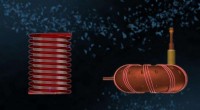
* Use wire-wound resistors: Wire-wound resistors typically have a lower temperature coefficient and better thermal stability compared to other types.
5. Other Considerations:
* Avoid exposing the resistor to direct sunlight or other heat sources: Direct heat sources can cause significant temperature fluctuations.
* Ensure adequate spacing between components: Proper spacing between components helps prevent heat transfer between them.
Note: The best approach for maintaining a constant temperature depends on the specific application and the required level of temperature stability. Consider all the factors mentioned above to choose the most appropriate technique for your needs.