The Particle Model
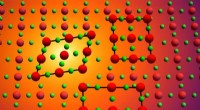
* Matter is made of tiny particles. These particles are constantly in motion, vibrating and moving around.
* There are spaces between the particles. The size of these spaces depends on the state of matter (solid, liquid, or gas). In gases, the spaces are much larger than in liquids or solids.
* The particles collide with each other and with the walls of their container. These collisions create pressure.
How Air Exerts Pressure
1. Constant Motion: Air particles, primarily nitrogen and oxygen molecules, are constantly moving in random directions at high speeds.
2. Collisions: These particles collide with each other and with the surfaces they encounter, including the walls of any container holding the air.
3. Force of Collisions: Each collision exerts a tiny force on the surface.
4. Pressure: The cumulative effect of billions of these tiny forces per second creates a measurable pressure on the surface.
5. More Particles, More Pressure: The more air particles there are in a given space, the more frequent the collisions and the greater the pressure. This is why air pressure increases with altitude.
Example:
Imagine a balloon filled with air. The air particles inside are constantly bouncing off the inside of the balloon. The force of these collisions is what keeps the balloon inflated. The more air you pump into the balloon, the more particles there are, the more frequent the collisions, and the greater the pressure inside.
Key Points:
* Pressure is a measure of force per unit area. The air particles exert a force on the surface, and that force is distributed over the area of the surface.
* Air pressure is always present, even when we don't feel it. We only notice changes in pressure, like when we go up in a mountain or dive deep in the ocean.
Let me know if you have any other questions!