1. Heat Source: Earth's interior, particularly the core, is incredibly hot. This heat is generated from radioactive decay within the Earth.
2. Convection Currents: This heat causes the mantle, the layer beneath the Earth's crust, to heat up. Hotter, less dense material in the mantle rises, while cooler, denser material sinks. This creates a circular flow of material called convection currents.
3. Plate Movement: These convection currents drag the tectonic plates, which are the outermost, rigid layer of the Earth, along with them. The plates move slowly, typically a few centimeters per year, but their movement over millions of years results in significant geological changes.
Here's a simple analogy: Imagine a pot of boiling water. The heat from the bottom of the pot creates convection currents, causing the water to circulate. Similarly, the heat from Earth's core drives the convection currents in the mantle, which in turn move the tectonic plates.
The Importance of Convection:
Convection is the driving force behind many geological processes, including:
* Plate tectonics: The movement of plates causes earthquakes, volcanic eruptions, mountain formation, and the creation of new ocean floor.
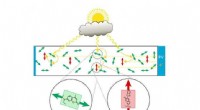
* Ocean currents: Heat from the sun drives convection currents in the oceans, which distribute heat around the globe.
* Weather patterns: Convection currents in the atmosphere are responsible for storms, rain, and other weather phenomena.
Understanding convection is essential to understanding the Earth's dynamic processes and the ever-changing landscape we live on.