Here are some examples:
For microscopic particles (atoms, molecules):
* Cells: All living cells take in nutrients, water, and oxygen from their surroundings.
* Plants: Plants take in carbon dioxide, water, and nutrients from the soil and air.
* Animals: Animals eat food which contains molecules their bodies can break down for energy and building blocks.
For larger particles (dust, pollen, etc.):
* Vacuum cleaners: Designed to suck up dust and debris.
* Filters: In air conditioners, car engines, or even your lungs, filters trap and remove particles from the air.
* Nets: Used to catch fish or other organisms in water.
For even larger particles (rocks, sand):
* Sedimentary rocks: Formed when particles from other rocks, minerals, and organisms are deposited and compressed.
* Excavation equipment: Diggers, bulldozers, and other heavy machinery are used to move and remove large particles of soil and rock.
For extremely small particles (electrons):
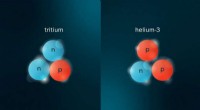
* Atoms: Atoms contain a nucleus with protons and neutrons, and a cloud of orbiting electrons.
Can you tell me more about what kind of particles you're interested in? This will help me give you a more precise answer.