Causes of Temperature Differences:
* Geographic Location: Air masses form over specific regions, acquiring the temperature characteristics of those areas.
* Latitude: Areas closer to the equator receive more direct sunlight, resulting in warmer temperatures.
* Altitude: Air cools as it rises, so air masses at higher altitudes are generally colder.
* Proximity to Water: Water bodies have a moderating effect on temperature, leading to cooler air masses near oceans and warmer air masses over land.
* Surface Type: Darker surfaces absorb more sunlight and heat up faster, leading to warmer air masses above them.
Consequences of Temperature Differences:
* Wind: When a warm air mass meets a cold air mass, the warm air rises, creating low pressure, while the cold air sinks, creating high pressure. This pressure difference drives winds from the high-pressure area to the low-pressure area.
* Precipitation: As warm, moist air rises and cools, it condenses, forming clouds and eventually precipitation. This is why we often see rain or snow along fronts where warm and cold air masses meet.
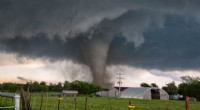
* Storms: The interaction of warm and cold air masses can create thunderstorms, tornadoes, and other severe weather events.
* Fronts: Boundaries between air masses are called fronts. The type of front (cold, warm, stationary, occluded) influences the weather changes associated with it.
* Climate: Over time, differences in temperature between air masses contribute to the overall climate of a region.
Examples:
* A warm air mass from the Gulf of Mexico meeting a cold air mass from Canada can lead to a blizzard or heavy snowfall.
* A cold front moving through a region can bring strong winds, thunderstorms, and a dramatic temperature drop.
In conclusion, differences in temperature between air masses are a fundamental driving force behind weather and climate. They create the pressure differences that generate wind, the conditions for precipitation, and the potential for severe weather events.