1. Uneven Heating: The sun heats the Earth's surface unevenly. Areas that receive more direct sunlight (like the equator) warm up more than areas that receive less (like the poles).
2. Warm Air Rises: Warm air is less dense than cold air. As warm air heats up, it expands and becomes lighter, causing it to rise.
3. Cold Air Sinks: Cold air is denser and heavier than warm air. It sinks to fill the space left by the rising warm air.
4. Pressure Differences: The rising warm air creates areas of low pressure, while the sinking cold air creates areas of high pressure.
5. Air Flow: Air naturally wants to move from areas of high pressure to areas of low pressure. This movement of air from high to low pressure is what we call wind.
Additional factors influencing wind:
* Earth's Rotation: The Coriolis effect, caused by the Earth's rotation, deflects wind direction to the right in the Northern Hemisphere and to the left in the Southern Hemisphere.
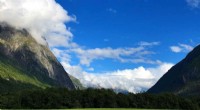
* Terrain: Mountains, valleys, and other features can create local winds and affect the direction of larger winds.
* Weather Systems: Large-scale weather systems like high and low-pressure systems, fronts, and storms can generate powerful winds.
In summary: Wind is the result of air moving from areas of high pressure to areas of low pressure, driven by differences in air temperature and density. This basic principle is influenced by various factors, creating the complex patterns of wind we experience around the world.