The movement can be described as:
* Back-and-forth: The cilia beat in a coordinated back-and-forth motion, similar to the way a row of oars would move in a boat.
* Power stroke and recovery stroke: Each beat consists of a power stroke where the cilia move in one direction, followed by a recovery stroke where they return to their original position.
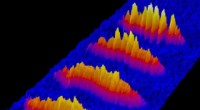
* Metachronal rhythm: The beating of cilia is synchronized, with neighboring cilia beating in a wave-like pattern, like a ripple through water.
This coordinated movement allows cilia to perform a variety of functions, including:
* Movement: Cilia can propel single-celled organisms through fluids or move fluids past cells, as seen in the respiratory tract.
* Sensing: Cilia can detect changes in the environment, such as the presence of chemicals or the flow of fluids.
* Filtering: Cilia can filter out particles from fluids, like in the respiratory system and the kidneys.
So, in summary, the motion of cilia is a coordinated, wave-like beating that serves various essential functions.