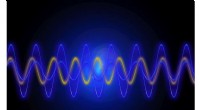
1. Up-and-down motion (Vertical Oscillation):
* Wave Crest: As a wave crest approaches, the inner tube will be lifted upwards, riding the wave's crest.
* Wave Trough: As the wave trough passes, the inner tube will sink downwards, following the wave's dip.
2. Back-and-forth motion (Horizontal Oscillation):
* Wave Direction: The inner tube will also move slightly back and forth in the direction the waves are traveling. This is because the waves are not perfectly symmetrical, and the crest tends to push the inner tube forward while the trough pulls it slightly back.
3. Rotational Motion (Optional):
* Larger Waves: If the waves are large enough, the inner tube might experience a slight rotational motion. This occurs because the inner tube's center of gravity is not perfectly aligned with its center of buoyancy.
* Wind/Current: The wind or current can also contribute to a rotational effect, especially if it's blowing or flowing at an angle to the waves.
Factors Affecting the Motion:
* Wave Height: Larger waves produce more pronounced vertical and horizontal movements.
* Wave Period: Shorter wave periods (faster waves) create a faster and more chaotic motion.
* Inner Tube Size and Shape: A larger inner tube will be less affected by smaller waves, and its shape can influence the rotational effect.
* Wind and Current: Wind and current add further complexity to the motion, influencing the direction and intensity of the inner tube's movement.
Overall: The motion of an inner tube in waves is a fascinating dynamic system. It's a combination of forces that act on the tube, resulting in a unique blend of up-and-down, back-and-forth, and potentially rotational movements. The exact motion depends on the specific conditions of the waves, wind, current, and the inner tube itself.