1. Energy:
- Nuclear Power: Physics principles underpin nuclear reactions and their control, leading to the development of nuclear power plants for electricity generation.
- Solar and Wind Energy: Physics knowledge of semiconductors and fluid dynamics has enabled the advancement of solar cells and wind turbines for renewable energy.
2. Materials Science:
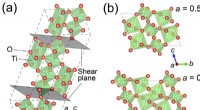
- Semiconductors: Physics has unlocked the understanding and manipulation of semiconductor properties, a foundation for electronic devices like transistors and integrated circuits (ICs).
- Superconductors: The discovery and understanding of superconductivity have revolutionized industries with applications in high-speed trains, medical imaging, and particle accelerators.
- Nanotechnology: Physics insights into quantum mechanics and material behavior have driven advancements in nanotechnology, leading to miniaturization of devices and potential breakthroughs in various fields.
3. Electronics and Communication:
- Telecommunications: Physics principles enable the functioning of communication technologies, such as radio waves, microwaves, fiber optics, and satellite communication systems.
- Wireless Technologies: Physics advancements have given rise to wireless technologies like Bluetooth, Wi-Fi, and cellular networks.
- Transistors and Integrated Circuits: Physics discoveries in solid-state physics have led to the development of transistors and ICs, essential components in almost all modern electronic devices.
4. Imaging and Optics:
- Telescopes: Physics contributes to the design and development of telescopes, enabling us to study celestial objects and expand our understanding of the universe.
- Microscopy: Physics knowledge has facilitated advancements in optical and electron microscopy techniques, allowing for detailed observation of microscopic structures.
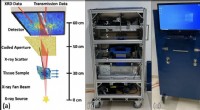
- Imaging Technologies: Physics principles form the basis of medical imaging techniques like X-rays, computed tomography (CT), and magnetic resonance imaging (MRI).
5. Mechanics and Aerospace Engineering:
- Aeronautics and Spacecraft: Physics concepts like aerodynamics, propulsion, and orbital mechanics are essential to the design and operation of aircraft, satellites, and space missions.
- Automotive and Transportation: Physics principles influence vehicle design, engines, aerodynamics, and safety features in automobiles and other forms of transportation.
6. Quantum Technologies:
- Quantum Computing: Advances in quantum physics have opened up the possibility of quantum computers with exponentially greater processing power than classical computers.
- Quantum Cryptography: Physics knowledge of quantum entanglement led to the development of quantum cryptography for secure communication.
These examples illustrate the fundamental role physics plays in the advancement of technology. By providing the underlying understanding of natural phenomena and physical processes, physics principles have empowered engineers and scientists to innovate and create technologies that shape our modern world.