When light passes from one medium to another, it can change speed. This causes the light wave to bend, or refract. The amount of bending depends on the difference in the speeds of light in the two media.
The index of refraction of a medium is a measure of how much light bends when it enters that medium. The higher the index of refraction, the more the light bends.
When light passes from a medium with a lower index of refraction to a medium with a higher index of refraction, it bends towards the normal. The normal is a line perpendicular to the surface of the medium.
When light passes from a medium with a higher index of refraction to a medium with a lower index of refraction, it bends away from the normal.
The bending of light can cause objects to appear to be in different positions than they actually are. For example, a straw in a glass of water appears to be broken at the surface of the water. This is because the light from the straw is refracted as it passes from the air into the water.
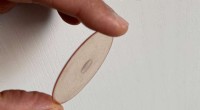
Refraction is also used in lenses to focus light. Lenses are curved pieces of glass or plastic that can be used to converge or diverge light rays.