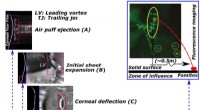
The amount of lift generated by a wing depends on several factors, including the angle of attack of the wing, the speed of the airplane, and the air density. The angle of attack is the angle at which the wing meets the oncoming air. The greater the angle of attack, the more lift is generated. However, if the angle of attack is too great, the airflow over the wing can become turbulent, which can lead to a loss of lift.
The speed of the airplane also affects the amount of lift generated by a wing. The faster the airplane flies, the more lift is generated. This is because the faster the air flows over the wing, the greater the difference in pressure between the upper and lower surfaces of the wing.
The air density also affects the amount of lift generated by a wing. The denser the air, the more lift is generated. This is because the denser the air, the more molecules of air there are to collide with the wing and create a difference in pressure.
Lift is a fundamental aerodynamic force that allows airplanes to fly. Without lift, airplanes would not be able to generate enough upward force to overcome their weight and stay in the air.