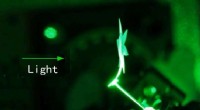
1. Reflection: A portion of the light is reflected off the surface in the same direction as it came from. This is what allows us to see objects and their colors. The type of reflection depends on the surface properties. For example, a smooth, shiny surface like a mirror produces specular reflection, where the light is reflected at a single angle, while a rough or uneven surface produces diffuse reflection, where the light is scattered in many directions.
2. Absorption: Some of the light that strikes the object is absorbed by the material. The absorbed light energy is converted into other forms of energy, such as heat. This is why dark-colored objects appear warmer under sunlight compared to light-colored objects.
3. Transmission: In the case of transparent or translucent materials, a portion of the light passes through the object and continues traveling in the same direction. The amount of light transmitted depends on the material's transparency and thickness.
4. Scattering: Some materials, such as frosted glass or fog, cause light to be scattered in many directions due to the presence of tiny particles or irregularities on the surface or within the material. This phenomenon is known as scattering.
The combination of reflection, absorption, transmission, and scattering determines how light interacts with an object and influences the appearance, color, and visibility of the object.