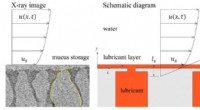
Mathematically, fluid friction can be expressed using the following formula:
Friction Force (F) = Coefficient of Friction (μ) × Normal Force (N) × Relative Velocity (V)
In this formula, relative velocity (V) represents the rate at which the object moves while in contact with the fluid. As the speed of the object increases, its relative velocity relative to the fluid also increases. This increase in relative velocity leads to a rise in the drag force encountered by the object. Higher drag force signifies higher levels of fluid friction acting against the motion of the object.
Hence, the general rule is that fluid friction increases in magnitude as the speed of an object traveling through the fluid increases.