1. Reduced Friction: Maglev trains use magnetic levitation technology, which eliminates the physical contact between the wheels and the rails. This significantly reduces friction, allowing the trains to move at much higher speeds with minimal energy loss due to rolling resistance.
2. Electromagnetic Propulsion: Maglev trains use electromagnetic forces to propel themselves. By generating powerful magnetic fields, the trains can either be lifted and guided above the track (electromagnetic suspension) or pulled along the track (electromagnetic propulsion). This contactless form of propulsion eliminates the need for conventional engines and drivetrains, resulting in smoother, more efficient, and quieter operation.
3. Low Aerodynamic Drag: Maglev trains are often designed with sleek and aerodynamic shapes to reduce air resistance. By minimizing drag, the trains can overcome air resistance more efficiently and achieve higher speeds.
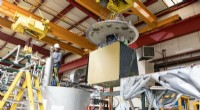
4. High-Powered Magnets: Maglev trains utilize powerful superconducting magnets that generate strong magnetic fields. These magnets require cryogenic cooling systems to maintain their superconductivity, but they provide the necessary lifting force and propulsion to enable the trains to reach incredible speeds.
5. Advanced Control Systems: Maglev trains incorporate sophisticated control systems that precisely monitor and adjust the magnetic forces and propulsion systems. These systems ensure stability, safety, and efficient operation, allowing the trains to maintain high speeds while navigating curves and gradients.
6. Dedicated Guideways: Maglev trains operate on specially constructed guideways that are designed to provide a smooth and stable surface for levitation and propulsion. These guideways are typically elevated or built on dedicated tracks, eliminating the need to share space with conventional traffic and reducing the potential for accidents.
By combining these factors, maglev trains can achieve significantly higher speeds compared to conventional trains, making them a promising technology for high-speed rail transportation.