Charge Acquisition: The neutral object gains an excess of either electrons (negative charge) or protons (positive charge) through the process of friction. In the case of charging by friction, electrons are typically transferred from one material to another. As a result, the object acquires a net electric charge of one pC.
Electric Field: The presence of the electric charge creates an electric field around the object. This field exerts an electrostatic force on other charged objects in the vicinity. The strength and direction of the electric field depend on the magnitude and polarity of the charge.
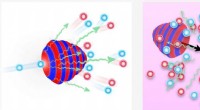
Polarization: The electric field generated by the charged object can induce polarization in nearby neutral objects. Polarization occurs when the charges within a neutral object are separated, resulting in the formation of temporary electric dipoles. These dipoles align with the external electric field, enhancing the overall electric field in the region.
Attraction or Repulsion: The charged object interacts with other charged objects through electrostatic forces. Positively charged objects experience a repulsive force from the positively charged object, while negatively charged objects experience an attractive force. The strength of the force depends on the magnitude of the charges and the distance between them.
Potential Difference: The presence of the electric charge creates a potential difference between the charged object and its surroundings. This potential difference is the electrical potential energy per unit charge and determines the amount of electrical work required to move a charge from one point to another in the electric field.
Discharge: Over time, the electric charge on the object may dissipate due to various factors such as contact with a grounded conductor or ionization of the surrounding air. This process neutralizes the object, reducing its electric charge and eventually returning it to an electrically neutral state.
By understanding these electrical changes, we gain insights into the behavior of charged objects and the fundamental principles of electrostatics.