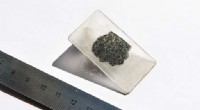
EPS is a versatile material with a wide range of applications. It is commonly used as a packing material due to its ability to cushion and protect fragile items. It is also used as a thermal insulator in building construction, as a buoyancy aid in life jackets and floats, and as a core material in sandwich panels.
EPS is a non-biodegradable material, which means that it does not break down naturally in the environment. This has led to concerns about its environmental impact, and some jurisdictions have restricted or banned its use. However, EPS can be recycled, and there are efforts underway to develop biodegradable alternatives.
Here are some other materials that are similar to Styrofoam:
* Polyethylene foam: This is a closed-cell foam plastic that is made from polyethylene resin. It is similar to EPS in terms of its density, rigidity, and thermal insulation properties. However, it is more flexible than EPS and has a higher melting point.
* Polyurethane foam: This is a closed-cell foam plastic that is made from polyurethane resin. It is similar to EPS in terms of its density and thermal insulation properties. However, it is stronger and more rigid than EPS.
* Polystyrene foam: This is an open-cell foam plastic that is made from polystyrene resin. It is similar to EPS in terms of its density and thermal insulation properties. However, it is less rigid than EPS and has a higher permeability to water vapour.