1. Steam Explosion: The rapid addition of water to a hot crucible can cause a sudden and violent steam explosion. This is because the water rapidly vaporizes, creating a large volume of steam that expands rapidly. The expansion of steam generates enormous pressure, causing the crucible to rupture or even shatter. The resulting explosion can expel hot liquid, steam, and crucible fragments, posing a significant safety hazard to anyone nearby.
2. Thermal Shock: The rapid temperature change caused by adding water to a hot crucible can induce thermal shock. Thermal shock occurs when a material is subjected to a rapid and significant temperature difference, causing it to expand or contract rapidly. In the case of a hot crucible, the addition of cold water can cause the crucible material to contract abruptly, leading to cracking or shattering. Thermal shock can compromise the integrity of the crucible and render it unusable.
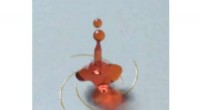
3. Spattering and Ejection: The rapid addition of water to a hot crucible can cause violent spattering and ejection of the crucible's contents. The sudden vaporization of water creates a forceful upward current that can carry droplets of the molten material or liquid present in the crucible. This spattering poses a risk of burns, eye injuries, or contamination if the ejected material comes into contact with nearby individuals or sensitive equipment.
4. Chemical Reactions: Depending on the composition of the crucible and the materials present within, the rapid addition of water can trigger unexpected chemical reactions. For instance, if the crucible contains reactive metals, such as sodium or potassium, adding water can result in vigorous exothermic reactions that release flammable hydrogen gas. Such reactions can lead to fires, explosions, or the release of toxic fumes, further exacerbating the safety risks.
To avoid these potential hazards, it is crucial to follow proper safety protocols and procedures when working with hot crucibles. Always add water slowly and gradually to a hot crucible, ensuring that the temperature change is gradual and controlled. Wear appropriate personal protective equipment (PPE), including heat-resistant gloves, safety goggles, and a lab coat, to minimize the risk of injury in case of accidents. Additionally, perform experiments and procedures in well-ventilated areas and have appropriate safety measures in place to handle any emergencies or incidents.