Smooth Surfaces:
Smooth water-repellent surfaces, such as those coated with fluorinated chemicals or nanocoatings, can be very slippery. Water droplets bead up and roll off easily, reducing the contact area between the surface and water. This reduced friction makes the surface feel smooth and allows for easy sliding of objects.
Textured Surfaces:
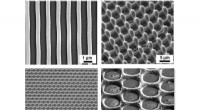
Water-repellent surfaces with micro or nanotextures can have varying slipperiness characteristics. Some textured surfaces can trap air pockets, creating a cushioning effect that reduces slipperiness. Others can enhance slipperiness by reducing the contact area between water and the surface. The specific pattern and structure of the texture play a crucial role in determining slipperiness.
Factors Influencing Slipperiness:
In addition to the surface properties, several other factors can influence the slipperiness of water-repellent surfaces:
* Water droplet size: Larger water droplets tend to roll off more easily, resulting in increased slipperiness. Smaller droplets may stick to the surface or spread out, affecting slipperiness.
* Surface contamination: Dirt, dust, or other contaminants on the surface can reduce slipperiness by altering the surface's water-repellent properties.
* Dynamic effects: The presence of water flow, such as in a shower, can alter slipperiness by changing the interactions between water and the surface.
It's important to note that the slipperiness of water-repellent surfaces should be considered in the context of specific applications to ensure safety and avoid unintended consequences.
Here's a video demonstrating the slipperiness of different water-repellent surfaces:
[VIDEO: Water Repellent Surfaces - Slipperiness Test]