Singlet-Triplet Transitions:
Anesthetics are thought to induce a change in the spin state of certain molecules within the body, specifically by promoting transitions from singlet to triplet states. Singlet states have paired electrons with opposite spins, while triplet states have unpaired electrons with the same spin.
Membrane Interactions:
Anesthetics interact with the lipid membranes of cells, particularly in the central nervous system. These interactions can alter the fluidity and structure of the membranes, which in turn affects the function of membrane-bound proteins, including ion channels and receptors involved in neural signaling.
Electron Spin Effects:
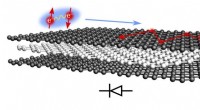
The change in electron spin states caused by anesthetics is believed to disrupt the normal functioning of these membrane proteins. For example, changes in the spin state of certain amino acids or lipid molecules within the membrane can alter the conformation and function of ion channels, affecting the flow of ions and disrupting neuronal communication.
Altered Neuronal Activity:
The disruption of neuronal communication due to changes in electron spin states leads to altered electrical activity in the brain and spinal cord. This change in neuronal activity is thought to underlie the anesthetic effects such as loss of consciousness, analgesia, and muscle relaxation.
While this proposed mechanism provides a potential explanation for the diverse effects of different anesthetics, it's important to note that the exact molecular mechanisms and the specific molecules involved are still not fully understood. Further research is necessary to investigate the role of electron spin changes in anesthesia and to determine their contribution to the overall anesthetic effects.