Frequency combs are devices that emit light at evenly spaced frequencies. They are essential for a variety of applications, such as atomic clocks, optical communications, and laser spectroscopy. Traditional frequency combs are large, complex, and expensive. This makes them impractical for many researchers and scientists.
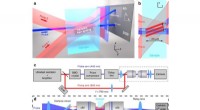
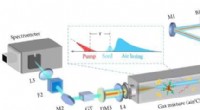
The new NIST method uses a simple, inexpensive laser system to generate frequency combs. The system is based on a phenomenon called four-wave mixing. Four-wave mixing occurs when two laser beams interact with each other in a nonlinear material, such as glass or water. This interaction creates a new beam of light that is composed of the original two beams plus two additional beams at higher and lower frequencies.
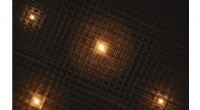
The NIST researchers used a four-wave mixing system to generate a frequency comb with a spacing of 10 GHz. This is comparable to the spacing of commercial frequency combs, but the NIST system is much smaller and less expensive.
The NIST researchers believe that their new method could make frequency combs more accessible to a wider range of researchers and scientists. This could lead to new advances in a variety of fields, such as optics, telecommunications, and spectroscopy.
The NIST research was published in the journal Optics Letters.