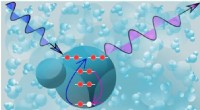
The bubbles in champagne are caused by the release of carbon dioxide gas. When champagne is bottled, it is under a lot of pressure. This pressure causes the carbon dioxide gas to dissolve in the wine. When the champagne is opened, the pressure is released and the carbon dioxide gas bubbles out of the wine.
The number of bubbles in champagne can vary depending on a number of factors, including the type of champagne, the temperature of the champagne, and the way the champagne is poured.
* Type of champagne: Some champagnes are made with more carbon dioxide gas than others. Brut champagnes, for example, are typically made with more carbon dioxide gas than doux champagnes.
* Temperature of the champagne: Warmer champagne has less carbon dioxide gas dissolved in it than colder champagne. This means that warmer champagne will produce fewer bubbles than colder champagne.
* Way the champagne is poured: The way the champagne is poured can also affect the number of bubbles. Pouring champagne slowly and gently will produce more bubbles than pouring champagne quickly and forcefully.
How Many Bubbles Are in Your Bubbly?
The exact number of bubbles in champagne is difficult to determine. However, some estimates suggest that there can be anywhere from 250 million to 1 billion bubbles in a single glass of champagne.
The Physics of Bubbles
The bubbles in champagne are a fascinating example of physics in action. The bubbles are formed when carbon dioxide gas comes out of solution and forms tiny spheres. These spheres are lighter than the surrounding liquid, so they rise to the surface. As the bubbles rise, they collide with each other and coalesce into larger bubbles. Eventually, the bubbles reach the surface of the champagne and burst, releasing their carbon dioxide gas into the air.
The bubbles in champagne are not only beautiful to look at, but they also play an important role in the flavor of the wine. The bubbles help to release the wine's aromas and flavors, and they also add to the wine's口感.
Conclusion
The bubbles in champagne are a complex and fascinating phenomenon that is both beautiful and delicious. The next time you enjoy a glass of champagne, take a moment to appreciate the science behind the fizz.