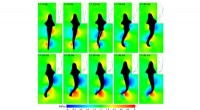
The simulator is a joint project of the UC Santa Barbara Marine Mammal Institute and the National Marine Fisheries Service. It combines data from scientific studies on whale behavior with information about fishing gear and oceanography to create realistic simulations of whale-fishing gear interactions.
"We can use the simulator to test different management strategies and see how they affect the risk of entanglement," said lead researcher Dr. Jessica Redfern. "This information can help us develop more effective ways to protect whales from entanglement."
The simulator has been used to study the risk of entanglement for a variety of whale species, including North Atlantic right whales, humpback whales, and blue whales. The studies have found that a number of factors can increase the risk of entanglement, including the type of fishing gear used, the depth of the water, and the speed at which the whales are swimming.
The simulator is also being used to develop new gear and techniques that can help to reduce the risk of entanglement. For example, the researchers are studying the use of "whale-friendly" fishing gear, such as ropes that are less likely to wrap around whales and break free if they do get wrapped around a whale's body.
"The simulator is a valuable tool that is helping us to understand the causes of entanglement and develop solutions to reduce the risk of entanglement for whales," said Redfern.
Entanglement in fishing gear is a serious problem for whales. It can cause injury, infection, and even death. In the United States, an average of 85 whales per year are entangled in fishing gear. The majority of these entanglements occur in the waters off the coast of California.
The new simulator is a promising tool that is helping scientists to better understand this problem and develop solutions to reduce the risk of entanglement for whales.