Abstract:
Polymer liquids, widely used in industries and daily life, can exhibit complex behaviors under extreme conditions. One such intriguing phenomenon is liquid cracking, where the liquid chain molecules rupture, leading to a sudden release of energy and material fragmentation. Despite its importance in both industrial processes and fundamental science, the detailed dynamics of polymer liquid cracking remain poorly understood, primarily due to the challenges associated with capturing these rapid events.
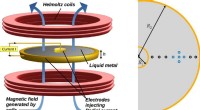
In this study, we leverage the power of high-speed imaging and multi-scale analysis to unravel the mechanisms underlying polymer liquid cracking. Using custom-designed experimental setups and state-of-the-art imaging techniques, we visualize the fracture processes in real-time, obtaining unprecedented insights into the evolution of material structures during cracking. Our experiments reveal intricate patterns of liquid jetting, cavitation, and shockwave generation, which provide crucial information on energy dissipation and fragmentation processes.
By manipulating experimental parameters such as polymer composition, temperature, and stress conditions, we systematically investigate the relationship between material properties and cracking behavior. Our findings shed light on the influence of molecular architecture, entanglement density, and viscoelastic properties on liquid cracking dynamics. This knowledge enables rational design and optimization of polymer materials, paving the way for improved performance and safety in various technological applications.
Ultimately, our work bridges the gap between fundamental understanding and practical applications, advancing the field of polymer physics and materials science. The insights gained from our high-speed experiments can guide the development of more robust polymer materials, contributing to innovations across industries ranging from electronics and energy to healthcare and aerospace.