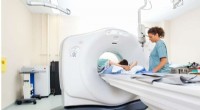
The hero shrew's backbone consists of specialized vertebrae that have undergone significant changes in shape, size, and articulation compared to other mammals. Micro-CT scans allow researchers to visualize and analyze these intricate skeletal structures in great detail, providing important data for understanding how the hero shrew's spine has adapted to its specific ecological niche.
Here are some key findings from micro-CT scans of hero shrew skeletons:
Modified Vertebrae: Micro-CT scans have revealed modifications in the shape and structure of individual vertebrae in the hero shrew's spine. These modifications include enlarged neural spines, flattened centra (the main body of the vertebrae), and reduced transverse processes. These adaptations provide additional strength and stability to the spine, enabling the hero shrew to withstand the forces exerted during burrowing and climbing.
Specialized Joints: Micro-CT scans have highlighted the presence of specialized joints between the vertebrae of hero shrews. These joints, known as synovial joints, are characterized by smooth articular surfaces and a fluid-filled joint cavity. These joints allow for a greater range of movement and flexibility compared to the typical intervertebral discs found in many other mammals. This increased flexibility is crucial for the hero shrew's agility and ability to navigate through narrow burrows and dense vegetation.
Fusion and Reduction: Micro-CT scans have also revealed instances of vertebral fusion and reduction in hero shrews. Fusion occurs when two or more vertebrae merge together, resulting in a solid structure. Reduction refers to the loss or diminution of certain vertebral elements. These modifications contribute to the overall strength and streamlining of the hero shrew's spine, enhancing its burrowing efficiency and reducing the risk of spinal injuries during underground activities.
In addition to these specific findings, micro-CT scans provide a comprehensive view of the hero shrew's skeletal system, including the skull, limbs, and appendicular bones. This information helps researchers gain a deeper understanding of the overall morphology and adaptations of these fascinating creatures. By combining micro-CT scans with other techniques such as comparative anatomy and biomechanical studies, scientists can continue to unravel the evolutionary history and functional significance of the hero shrew's remarkable backbone.