Airplanes fly because of the force of lift that is created by the wings as they move through the air. Lift is a force that acts perpendicular to the direction of motion, and it is what keeps the airplane in the air.
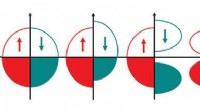
The wings of an airplane are designed to create lift by taking advantage of the Bernoulli effect. The Bernoulli effect states that the pressure of a fluid decreases as its velocity increases. In the case of an airplane, the fluid is air. As the air flows over the wings, it speeds up and the pressure decreases. This creates a difference in pressure between the top and bottom of the wings, with the pressure being lower on top. This difference in pressure creates a force that pushes the wings up, and this is what creates lift.
The amount of lift that is created depends on a number of factors, including the speed of the airplane, the angle of attack of the wings, and the density of the air. The faster the airplane is flying, the more lift is created. The greater the angle of attack, the more lift is created. And the denser the air, the more lift is created.
The Parts of an Airplane
An airplane is a complex machine with many different parts. Here are some of the most important parts:
* Wings: The wings are the most important part of an airplane. They are what create the lift that keeps the airplane in the air.
* Fuselage: The fuselage is the body of the airplane. It houses the passengers, crew, and cargo.
* Tail: The tail is the rear of the airplane. It helps to stabilize the airplane and control its direction.
* Engines: The engines provide the power that propels the airplane forward.
* Landing gear: The landing gear allows the airplane to land and take off.
How Airplanes Take Off and Land
Airplanes take off and land by using the same principles of lift and drag. To take off, the pilot increases the power of the engines and the airplane accelerates down the runway. As the airplane reaches a certain speed, the wings create enough lift to overcome the force of gravity and the airplane lifts off the ground.
To land, the pilot reduces the power of the engines and the airplane begins to slow down. As the airplane slows down, the wings create less lift and the airplane descends. The pilot controls the descent by using the flaps and ailerons on the wings. The flaps increase the lift of the wings, while the ailerons control the direction of the airplane.
Air Travel Today
Air travel is one of the most important forms of transportation in the world. It is a fast, efficient, and convenient way to travel long distances. Airplanes carry passengers, cargo, and mail all over the world.
Air travel has become increasingly popular in recent years, due in part to the rise of low-cost airlines. Low-cost airlines offer flights at a fraction of the cost of traditional airlines, making air travel more affordable for many people.
Air travel is also becoming more sustainable. Airlines are investing in new technologies that reduce fuel consumption and emissions. This is helping to make air travel more environmentally friendly.
The Future of Air Travel
The future of air travel is bright. Airplanes are becoming more efficient and sustainable, and air travel is becoming more affordable. This is making air travel a more attractive option for people all over the world.
Here are some of the trends that are likely to shape the future of air travel:
* The rise of electric airplanes. Electric airplanes are powered by electric motors instead of traditional jet engines. They are more efficient and produce zero emissions. Electric airplanes are still in development, but they have the potential to revolutionize air travel.
* The growth of autonomous airplanes. Autonomous airplanes are airplanes that can fly without a human pilot. They are still in development, but autonomous airplanes have the potential to make air travel safer and more efficient.
* The development of hypersonic airplanes. Hypersonic airplanes are airplanes that can fly at speeds of more than Mach 5. They are still in development, but hypersonic airplanes have the potential to reduce travel time between distant cities by hours.
The future of air travel is full of possibilities. Air travel is becoming more efficient, sustainable, and affordable. This is making air travel a more attractive option for people all over the world.