Collagen is a key component of the extracellular matrix (ECM), a complex network of molecules that provides structural support to cells. In bones, the ECM is mineralized with calcium and phosphate to form hydroxyapatite, the main mineral component of bones that gives them their hardness and resistance to fracture.
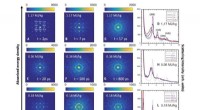
The research team, led by ORNL's Karthik Raman, used a combination of neutron scattering and computational modeling to study the structure and dynamics of collagen and its interactions with hydroxyapatite. Neutron scattering is a powerful technique for studying the structure and behavior of materials at the molecular level. Neutrons are subatomic particles with no electrical charge, so they can penetrate materials deeply without causing damage.
The experiments revealed that the mineralization process involves the formation of a mineral-collagen composite that has a hierarchical structure. The composite is composed of collagen fibrils that are cross-linked by mineral crystals. This structure provides bones with their mechanical strength and flexibility.
Raman explained, "The neutrons allowed us to see how the collagen molecules are arranged and how they interact with the mineral crystals. This information is crucial for understanding how bones are able to withstand mechanical forces and repair themselves when damaged."
The researchers found that the mineralization process is highly regulated and that disruptions to this process can lead to bone disorders. For example, in osteoporosis, a condition characterized by reduced bone density and increased bone fragility, the mineralization process is impaired.
"Our findings suggest that targeting the mineralization process could be a potential therapeutic strategy for the prevention and treatment of bone diseases," Raman said. "By understanding how the mineralization process works, we can develop new treatments that can help maintain healthy bones and prevent fractures."
The study is published in the journal Nature Communications.