A tokamak is a type of nuclear fusion reactor that uses magnetic fields to confine plasma—a hot, ionized gas—in the shape of a torus, or donut. This design allows the plasma to be heated to extremely high temperatures and pressures, which are necessary for fusion reactions to occur.
The shape of a tokamak is critical to its operation. The curved shape of the torus helps to confine the plasma, preventing it from escaping. The magnetic fields that are used to confine the plasma are also shaped by the torus, and they help to stabilize the plasma and prevent it from becoming unstable.
How the Shape of a Tokamak Impacts Edge Plasma Limits
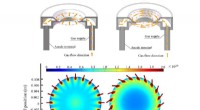
The shape of a tokamak also impacts the limits of the edge plasma. The edge plasma is the region of plasma that is in contact with the walls of the tokamak. This region is critical to the operation of a tokamak, as it is where the plasma interacts with the walls and where impurities can enter the plasma.
The shape of the tokamak can affect the width of the edge plasma, as well as the density and temperature of the plasma in this region. These factors can all impact the performance of the tokamak, and they must be carefully controlled in order to optimize the fusion reaction.
Apple Versus Donut: Which Shape is Best for a Tokamak?
There is no one-size-fits-all answer to the question of which shape is best for a tokamak. The optimal shape will depend on the specific requirements of the reactor, such as the size, temperature, and pressure of the plasma.
However, some general conclusions can be drawn about the relative advantages and disadvantages of different shapes. For example, a tokamak with a circular cross-section is easier to build and operate, but it is less efficient than a tokamak with a non-circular cross-section.
Ultimately, the shape of a tokamak is a compromise between a number of factors, including the ease of construction and operation, the efficiency of the fusion reaction, and the cost of the reactor.
Conclusion
The shape of a tokamak is critical to its operation, as it impacts the limits of the edge plasma and the overall performance of the reactor. There is no one-size-fits-all answer to the question of which shape is best for a tokamak, as the optimal shape will depend on the specific requirements of the reactor.