1. Conduction Dominance: In tight spaces, the primary mode of heat transfer is conduction. This is because the close proximity of surfaces and the limited space for fluid movement hinder convection and radiation. Heat is directly transferred through contact between solid surfaces or through conduction through intervening fluids or solids.
2. Reduced Convection: Convection, which involves the movement of fluid, is less effective in tight spaces. The restricted flow of fluids, such as air or liquid, limits the transport of heat by convection currents. This reduction in convection can lead to the formation of stagnant zones where heat can accumulate.
3. Conduction Pathways: In tight spaces, the presence of multiple solid surfaces, such as walls, floors, and objects, creates additional conduction pathways for heat transfer. These solid structures can act as bridges for heat to flow from one surface to another, even if there is a small air gap between them.
4. Thermal Resistance: The presence of multiple solid surfaces in tight spaces increases the overall thermal resistance to heat flow. Thermal resistance is the opposition to heat transfer, and it depends on the material's thermal conductivity and thickness. The higher the thermal resistance, the slower the heat transfer rate.
5. Heat Accumulation: Since convection is limited in tight spaces, heat can accumulate more easily. This can lead to localized hot spots or an overall increase in temperature within the confined space. Managing heat accumulation is crucial to prevent overheating and potential damage to sensitive components or materials.
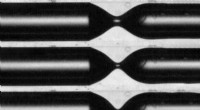
6. Fluid Mechanics at Small Scales: In tight spaces, fluid mechanics at small scales, such as microfluidics, become relevant. The behavior of fluids in microchannels or narrow passages deviates from conventional fluid dynamics due to surface effects and the dominance of viscous forces. This can impact heat transfer mechanisms at small length scales.
Understanding how heat travels differently in tight spaces is important for various applications, including electronics cooling, thermal management in microfluidic devices, microelectronics, thermal insulation, and the design of efficient heating and cooling systems. By considering the unique characteristics of heat transfer in tight spaces, engineers and scientists can optimize the performance of systems and devices that operate in confined environments.