1. Electric Charges in Motion:
At the heart of magnetism lies the movement of electric charges. When electric charges are stationary, they generate electric fields. However, when these charges are in motion, they produce both electric and magnetic fields. This interplay between electric currents and magnetic fields forms the basis of electromagnetism.
2. Magnetic Domains:
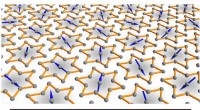
All materials consist of tiny regions called magnetic domains. These domains are essentially microscopic magnets with their own north and south poles. In unmagnetized materials, these domains are randomly oriented, resulting in a net magnetic field of zero.
3. Magnetization:
When a material is magnetized, an external magnetic field is applied that causes the magnetic domains within it to align. As more and more domains align in the same direction, the material's overall magnetic field becomes stronger. This process of aligning domains is what magnetizes a material.
4. Magnetic Fields and Forces:
Magnets create magnetic fields around themselves. These magnetic fields are invisible but have the ability to exert forces on other magnetic materials. The north pole of a magnet exerts a force of attraction on the south pole of another magnet and vice versa.
5. Magnetic Poles:
Every magnet has two poles: a north pole and a south pole. The north pole of a magnet points towards the Earth's geographic north pole, while the south pole points towards the Earth's geographic south pole. Magnetic field lines are imaginary lines that show the direction and strength of the magnetic field around a magnet.
6. Magnetic Materials:
Materials can be classified into three types based on their magnetic properties:
- Ferromagnetic materials: These materials can be strongly magnetized and retain their magnetic properties even after the external magnetic field is removed. Examples include iron, nickel, and cobalt.
- Paramagnetic materials: These materials exhibit weak magnetism and only become magnetized in the presence of an external magnetic field. When the external field is removed, they lose their magnetic properties. Examples include aluminum and oxygen.
- Diamagnetic materials: These materials are weakly repelled by magnetic fields and have no permanent magnetic properties. Examples include copper and water.
Understanding how magnets work provides a glimpse into the fascinating world of electromagnetism. From the behavior of electric charges to the alignment of magnetic domains, these principles form the foundation of many technologies and devices, ranging from compasses and motors to MRI machines and particle accelerators. By harnessing the power of magnets, scientists and engineers have unlocked countless possibilities in various fields, shaping our modern world in remarkable ways.