The most common type of space collision is between small objects, such as dust and ice particles. These collisions occur all the time, and they are actually responsible for creating some of the features that we see in space, such as the rings of Saturn.
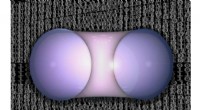
When two small objects collide, they can either stick together or bounce off of each other. If they stick together, they can eventually form larger objects, such as asteroids and planets. If they bounce off of each other, they can create a cloud of debris that can spread throughout space.
Collisions between larger objects, such as asteroids and planets, are much less common. However, they can have a much more devastating impact. When two large objects collide, they can create a huge amount of energy that can be released in the form of heat, light, and sound. This energy can cause the objects to vaporize, or it can even create a new crater on the surface of a planet.
Space collisions are a natural part of the universe. They are responsible for creating some of the most beautiful and awe-inspiring features that we see in space. However, they can also be a destructive force, and they can have a devastating impact on life on Earth.
Here are some of the factors that can affect the outcome of a space collision:
* The size of the objects involved. The larger the objects, the more energy will be released in the collision.
* The speed of the objects involved. The faster the objects are moving, the more energy will be released in the collision.
* The angle of the objects involved. The angle at which the objects collide can affect the amount of energy that is released.
* The composition of the objects involved. The composition of the objects can affect how they react to the collision.
Space collisions are a complex phenomenon, and there is still a lot that scientists don't know about them. However, by studying space collisions, scientists can learn more about the history of the universe and the potential risks to life on Earth.